
Next-Generation Leaders of the Korean American Chamber of Commerce USA Experience the Future of South Korea

Reporter: Kang Seung-ku (kangseungku@yahoo.com)
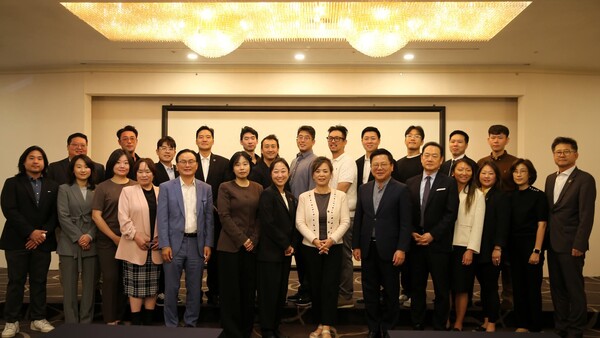
Approximately 30 Second Generation KACCUSA Leaders Visit South Korea
Experiencing Politics, Economy, Healthcare, and High-Tech Industries
https://io1.innorame.com/imp/bGpOvAqwRRND.iframe
A delegation of next-generation Korean American business leaders, recommended by the Korean American Chamber of Commerce USA (Chairman Byung-goo Hwang, Chairperson Mi-kyung Kim; hereinafter KACCUSA), visited South Korea to directly experience the nation's history, politics, economy, healthcare, and high-tech industries, while exploring the future of economic exchange between South Korea and the U.S.
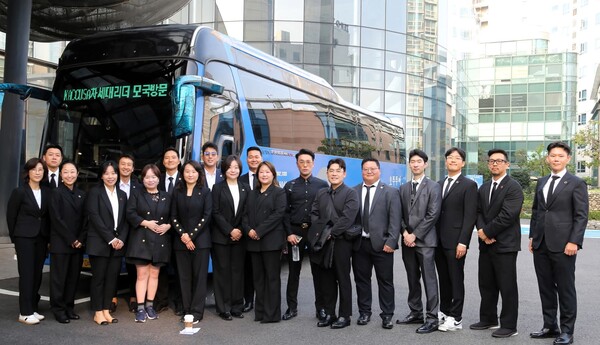
The delegation, consisting of approximately 30 second-generation KACCUSA leaders, visited South Korea for a 3-day, 2-night program from September 30 to October 2, touring key institutions and corporations.
This program was organized to give second-generation Korean American business leaders active in the U.S. firsthand exposure to the motherland's development and to build a foundation for them to grow as global economic leaders connecting South Korea and the United States.
As their first official schedule, the delegation visited the Seoul National Cemetery to pay respects to patriotic martyrs and fallen heroes. Participants reflected on the dedication of those who sacrificed for the country and its people, taking time to contemplate the history of the motherland and the meaning of national development.
They subsequently visited the Seoul National University Institute for Future Strategy, receiving briefings on South Korea's future strategies and its role in the international community. The next-generation leaders asked diverse questions regarding South Korea's economic growth, global competitiveness, and shifting international relations, engaging in active discussions.
Time was also dedicated to examining advancements in South Korea's healthcare industry. The delegation visited Ewha Womans University Medical Center to tour the current status of domestic medical technology and healthcare industries, and visited the Yanghwajin Foreign Missionary Cemetery to learn about modern Korean history, the activities of foreign missionaries, and their impact on Korean societal development.
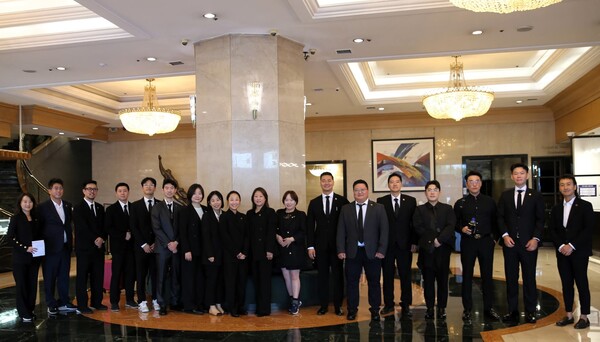
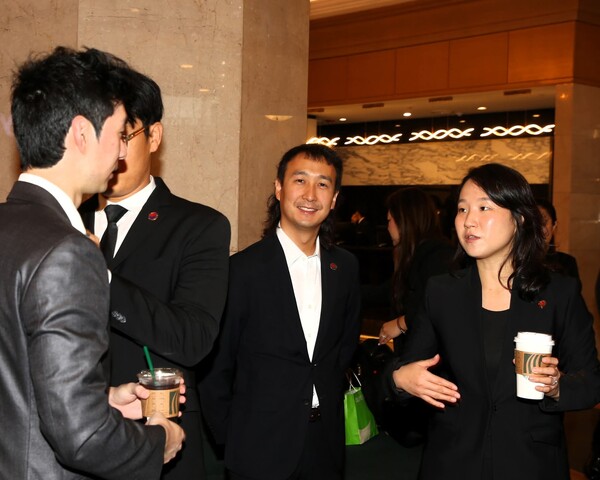
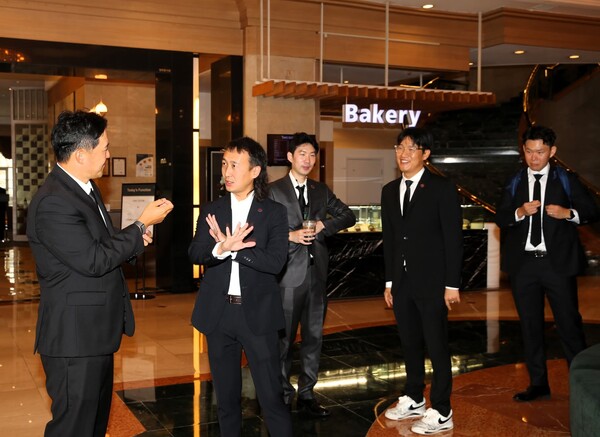
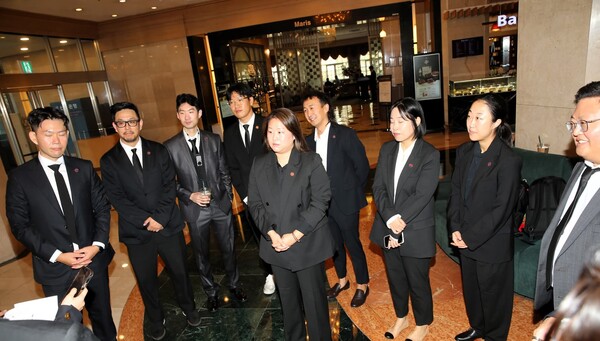
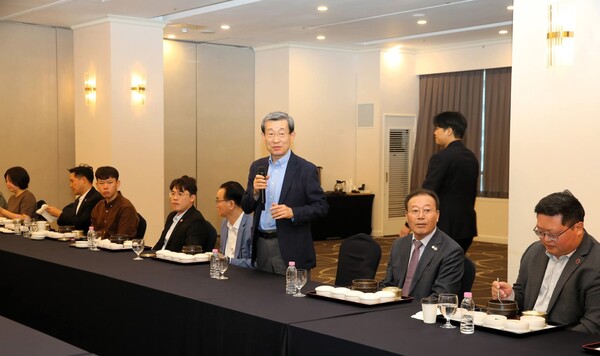
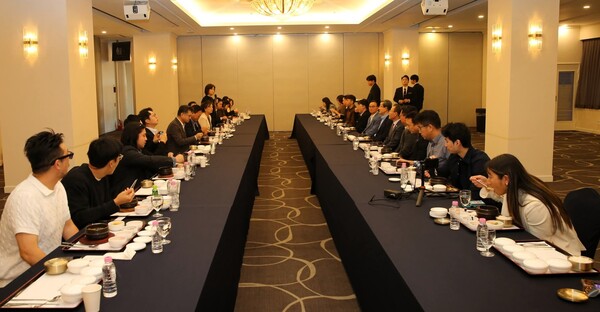
The visit to the National Assembly drew high interest from the next-generation leaders. The delegation met with key figures from both ruling and opposition political parties to receive briefings on South Korea's current political and economic issues, exchanging opinions on the development of South Korea-U.S. relations, the role of the overseas diaspora community, and the establishment of international networks for Korean business leaders.
In the industrial sector, the delegation inspected high-tech industries that South Korea is focusing on as future growth engines.
Visiting HS Hyogseong, AI specialist enterprise More Inc., and Korea Zinc, the delegation received briefings on the companies' core businesses, technological competitiveness, and global market entry strategies.
Particularly noteworthy was the high level of interest shown by the next-generation leaders in artificial intelligence and advanced technology sectors. Participants actively posed questions to corporate representatives, expressing keen interest in the development direction of the AI industry, global competitiveness, and potential cooperation between the U.S. market and South Korean enterprises.
Evaluations emphasized that this visit transcended a simple tour of South Korea, holding profound significance as second-generation Korean American business leaders growing up in the U.S. directly experienced the history, present, and future of their motherland.
Participants stated that witnessing South Korea's rapid transformation and development firsthand left them deeply impressed by the technological capabilities and global competitiveness of South Korean enterprises. They also reaffirmed the importance of economic and business networks linking the U.S. and South Korea, expressing their commitment to actively playing a bridging role in expanding bilateral economic exchange and supporting next-generation Korean business leaders.
A KACCUSA representative stated, "Allowing next-generation Korean American business leaders to directly experience South Korea's history, politics, economy, and industrial sites is a vital process for nurturing global talent to lead future South Korea-U.S. economic relations," adding, "We will continuously expand the next-generation leader program so that Korean American business leaders in the Americas can serve as practical bridges connecting South Korea and the U.S."
The visit of the second-generation leaders left a meaningful message for the Korean American community, serving as "a new starting point where the next generation of Koreans raised in the U.S. understand South Korea's future and reconnect with the global stage."
KACCUSA plans to continue strengthening the network of next-generation Korean American business leaders and supporting them to grow as leading figures on the global economic stage through diverse programs that expand exchanges among corporations, governments, and institutions of South Korea and the United States.

Source: US KNews
https://www.us-knews.com/news/articleView.html?idxno=4383